Heel Pain & Plantar Fasciitis
What it is
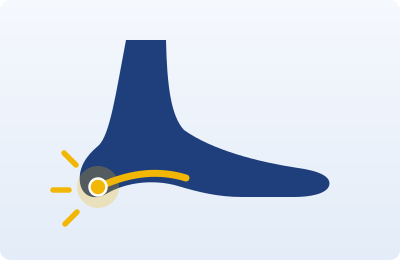
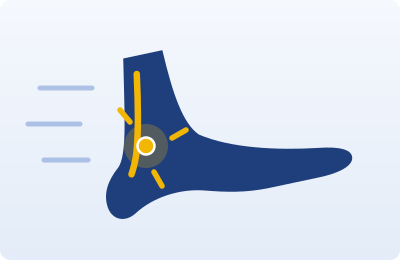
Plantar fasciitis is the most common cause of heel pain. It's inflammation and tiny tears in
the plantar fascia — the thick band of tissue that runs along the sole of your foot from the
heel to the toes. The classic sign is sharp, stabbing pain under the heel that's worst with
your first steps in the morning or after rest.
Signs & symptoms
- Sharp, stabbing pain under the heel — worst with the first steps in the morning or after sitting
- Pain that eases with gentle movement but returns after long standing or activity
- Tenderness on the underside or inner edge of the heel
- Stiffness or aching in the heel after exercise rather than during it
How it develops
The plantar fascia works like a shock-absorbing bowstring under your arch. Repeated overload
causes tears and inflammation where it attaches to the heel bone. Common contributors include:
- Tight calf muscles and a tight Achilles tendon
- A sudden increase in activity, or long hours standing on hard surfaces
- Unsupportive or worn-out footwear
- Flat feet or high arches that change how your foot loads
- Weight gain, or being on your feet all day for work
How we diagnose & treat it
Our podiatrists confirm the diagnosis with a hands-on assessment and gait analysis, using
imaging only if it's needed. The good news is that most heel pain settles with simple,
conservative care, such as:
- A tailored calf and plantar-fascia stretching and strengthening program
- Footwear advice and supportive changes
- Custom orthotics to offload the fascia and correct your foot mechanics
- Strapping, shockwave therapy or other measures to settle inflammation where appropriate
- A graded return-to-activity plan to help stop the problem coming back
Most people notice a meaningful improvement within a few weeks of starting the right plan —
and we'll tailor it to your feet, your footwear and your goals.
Full guide: heel pain & plantar fasciitis →
← Back to conditions
Ingrown Toenails
What it is
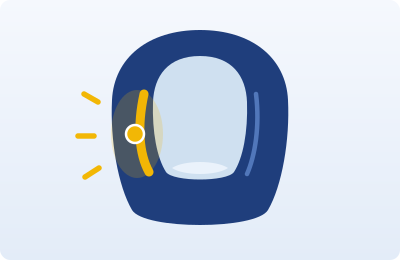
An ingrown toenail (onychocryptosis) happens when the edge of a toenail — most often on the
big toe — grows into the surrounding skin instead of over it. This can cause pain, redness and
swelling, and sometimes infection. It may be a one-off, or keep coming back.
Signs & symptoms
- Pain and tenderness along one or both sides of the nail
- Redness and swelling around the nail edge
- Fluid, pus or a bad smell if it becomes infected
- Extra "proud flesh" (granulation tissue) forming beside the nail
How it develops
An ingrown toenail occurs when the nail is pushed or curves into the skin. Common
contributors include:
- Cutting the nails too short or rounding off the corners
- Tight or narrow footwear that crowds the toes
- A stubbed toe or other trauma to the nail
- A naturally curved (involuted) nail shape, which can run in families
- Sweaty feet that soften the surrounding skin
How we treat it
Our podiatrists relieve the pain quickly and treat the cause, not just the symptom. Depending
on severity we may:
- Gently remove the offending spike of nail and clear the nail edge
- Advise on correct nail-cutting technique and footwear to prevent it returning
- Treat any infection and dress the toe
- For stubborn or recurring cases, perform a simple, permanent nail procedure (partial nail
avulsion) under local anaesthetic, so that section of nail won't regrow
Most people walk out far more comfortable than when they came in.
Full guide: ingrown toenail treatment →
← Back to conditions
Bunions (Hallux Valgus)
What it is
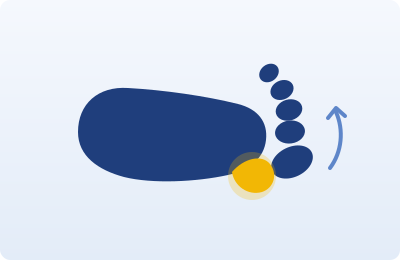
A bunion is a malalignment of the big toe, where the joint gradually pushes outward and the
big toe leans in towards the others. Its medical name is hallux valgus. Bunions develop slowly
and can make the joint sore, stiff and hard to fit into shoes.
Signs & symptoms
- A visible bony bump on the inside of the foot at the big-toe joint
- Pain or abnormal sensations at the joint, especially in shoes
- Redness, swelling or hard skin over the bump
- The big toe drifting towards, or under, the second toe
- Difficulty finding comfortable footwear
How it develops
Bunions form when the mechanics of the foot allow the big-toe joint to shift out of alignment
over time. Contributing factors include:
- Family history and inherited foot shape, which is the biggest factor
- Flat feet or excessive rolling-in (over-pronation)
- Tight, narrow or high-heeled shoes that squeeze the toes
- Conditions such as arthritis that affect the joint
- Increasing age
How we manage it
Bunions don't disappear on their own, but the right care can ease pain and slow their
progression. Our podiatrists may recommend:
- Custom orthotics to improve foot mechanics and reduce load on the joint
- Footwear advice, padding or splinting to relieve pressure
- Mobilisation and exercises to keep the joint moving
- Strategies to manage pain and protect the skin
- A referral for a surgical opinion if the bunion is severe or conservative care isn't enough
We'll help you stay comfortable and active, and explain all your options clearly.
← Back to conditions
Flat Feet & Arch Problems
What it is
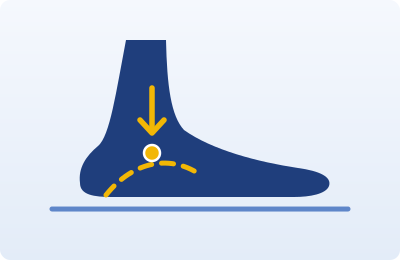
Flat feet (fallen arches) means the arch on the inside of your foot is low or collapses when
you stand. Some people have flexible flat feet with no pain at all; for others, the loss of
arch support strains the feet, ankles, knees, hips and back. Arch problems can be present from
childhood or develop later in life.
Signs & symptoms
- Aching or fatigue in the feet and arches, especially after standing or walking
- Pain that can spread to the ankles, shins, knees or lower back
- Shoes that wear out unevenly, or ankles that roll inward
- Swelling along the inside of the ankle
- Difficulty with prolonged standing or activity
How it develops
Arches can fall for a number of reasons, including:
- Inherited foot structure and hypermobility
- Weak or injured tendons (such as the tibialis posterior tendon)
- Wear and tear, injury or arthritis
- Pregnancy or weight gain increasing the load on the arch
- Footwear that offers little support
How we treat it
The goal is to support the arch, share the load more evenly and settle any pain. Our
podiatrists may provide:
- A biomechanical and gait assessment to find the underlying cause
- Custom orthotics to support the arch and improve alignment
- Footwear advice for better support
- A targeted strengthening and stretching program
- A long-term plan to protect the knees, hips and back
With the right support, most people can stay active and comfortable.
← Back to conditions
Sports Injuries
What it is
Sports and active lifestyles place high demands on the feet, ankles and lower limbs. From
sudden injuries like sprains and stress fractures to overuse problems like shin splints and
Achilles tendinopathy, our podiatrists diagnose the cause and get you back to training and
competing safely.
Common conditions we treat
- Ankle sprains and instability
- Shin splints (medial tibial stress syndrome)
- Stress fractures
- Achilles tendinopathy and heel pain
- Plantar fasciitis and arch strain
- Forefoot and toe injuries
How they develop
Sports injuries usually come from either a single incident or repetitive overload. Common
contributors include:
- Training errors — doing too much, too soon
- Inadequate warm-up, recovery or footwear
- Biomechanical issues such as poor foot alignment
- Hard or uneven training surfaces
- Returning to sport before an earlier injury has fully healed
How we treat it
We focus on accurate diagnosis, settling the injury and stopping it from returning. Care may
include:
- A biomechanical and gait assessment
- A tailored rehabilitation and strengthening program
- Custom orthotics or footwear advice where needed
- Strapping, shockwave therapy or other treatments to aid recovery
- A graded return-to-sport plan so you come back stronger
Whether you're a weekend walker or a competitive athlete, we'll help you move without pain.
Full guide: sports podiatry →
← Back to conditions